
|
SimpleStrokes The Grip (Making a Choice) A
Pre-swing Fundamental
|
The Grip (Making a Choice)
A Little About The Grip (Making a Choice):
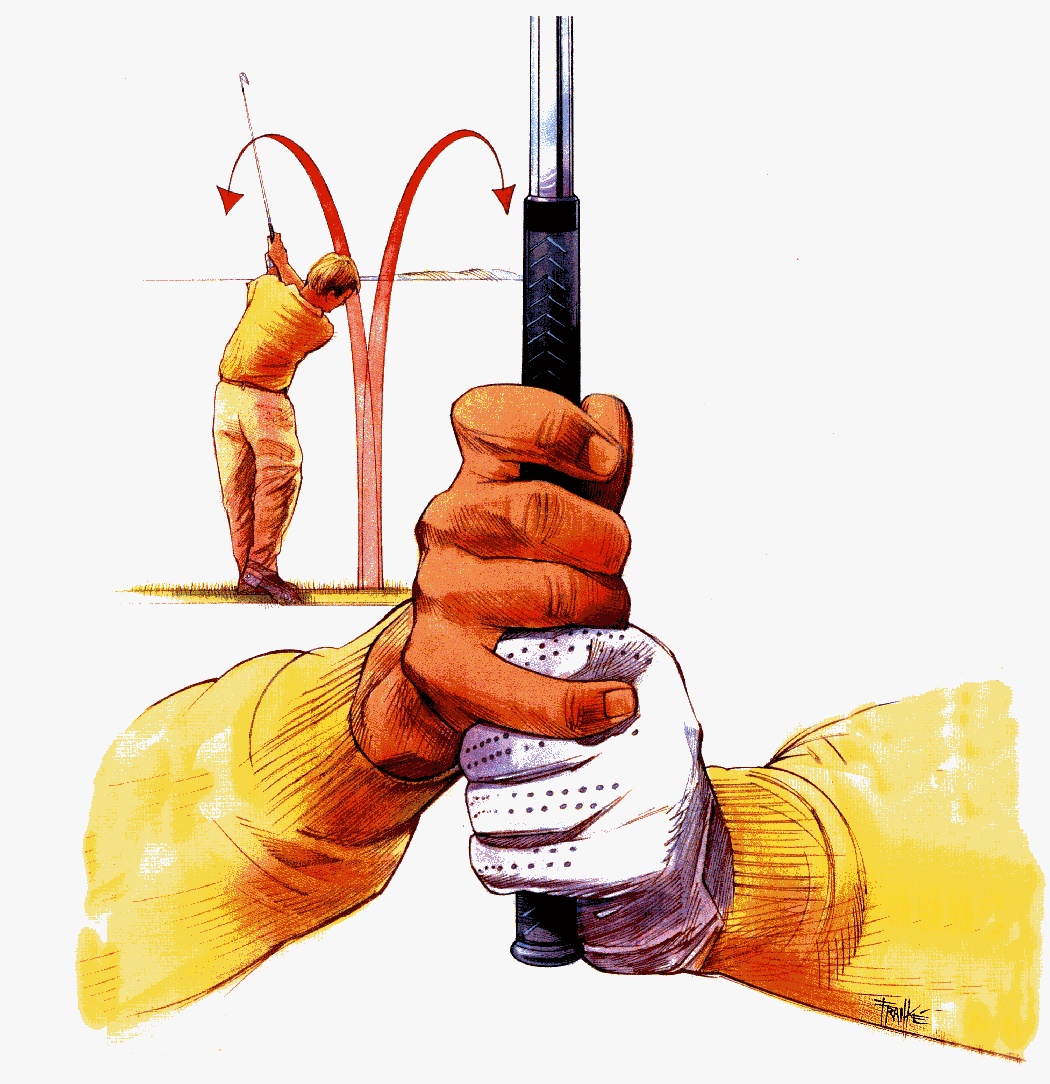
The correct grip is critical to the golf swing. Which style of grip a golfer should select, are questions every golfer should answer. A golfer can choose from countless variations and combinations. A good grip is the one that allows a golfer to achieve the desired shot, maximizing their criteria for distance as well as direction, golf’s primary goal. Beginning with the grip, the golfer can choose a combination of "preferences" to help accomplish this goal. Remember poor fundamentals can cause poor swings. The fact that better fundamentals lead to better golf is important to every golfer. The grip is a fundamental part of the golf swing.
The natural positions, in which the hands and arms hang, do not allow gripping the club to come natural. For most golfers, it is necessary to learn the grip with the club off the ground.
The Lesson Goal: To educate the golfer on the various grips that may be used, make a decision on which grip is best for them, and to learn a basic grip routine.
Variations of The Grip:
There is no one grip for every golfer, only every golfer needs one grip. The three variations of the grip are the ten-finger, interlocking, and overlapping. The full swing grip can vary from the putting and chipping grips.
Demonstration:
Demonstrate the three different variations of the grip 1. Ten-Finger 2. Interlocking 3. Overlapping
The ABC’s of The Grip:
|
[Figure A] |
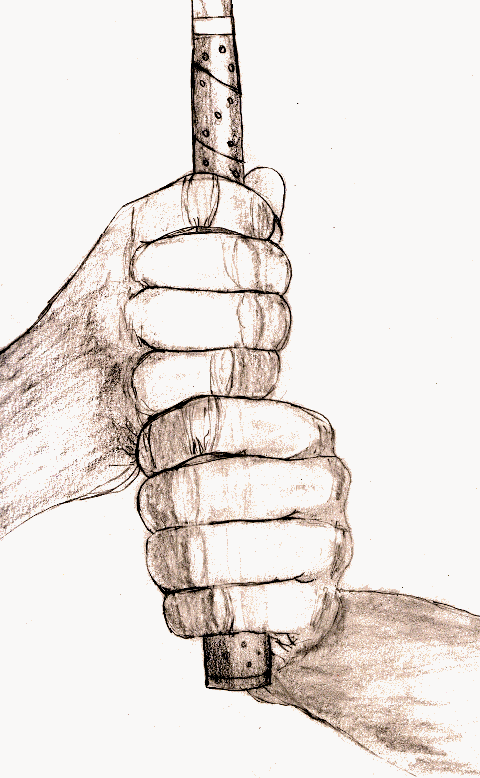
The Ten Finger Grip: Both hands should be close together working as a unit. When using this grip, make sure you do not have a gap of any kind between hands, causing a lack of swinging sensation and too much leverage in the swing. Remember to work the hands together as one unit. Kids tend to use this grip due to the lack of strength in their hands when they first start playing golf. It can be referred to as the baseball grip because of its similarities to a baseball-batting grip. [Figure A] |
|
[Figure B] |
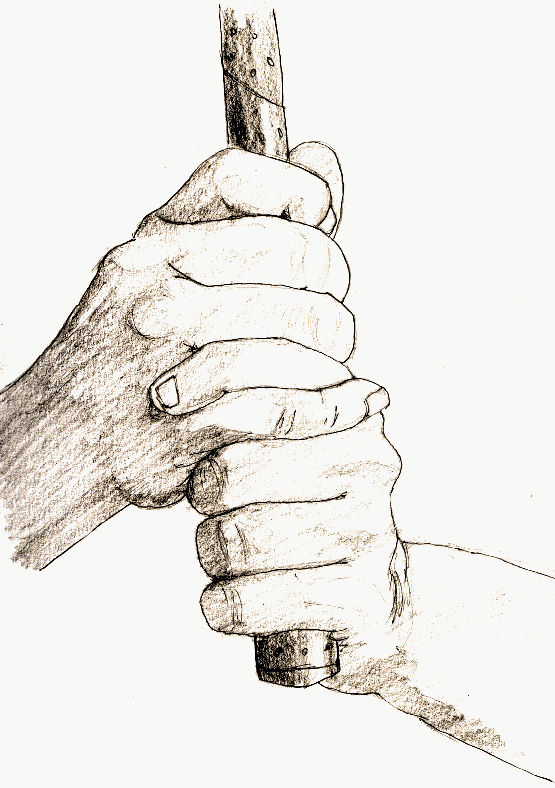
The Interlocking Grip: The pinkie finger on your right hand along with the index finger on your left hand "criss-cross" one another in an interlocking fashion. This grip helps keep your hands together yet also gives a tendency to use the palm of the right hand a bit too much, Be aware of this. Beginning golfers favor this grip. [Figure B] |
|
[Figure C] |
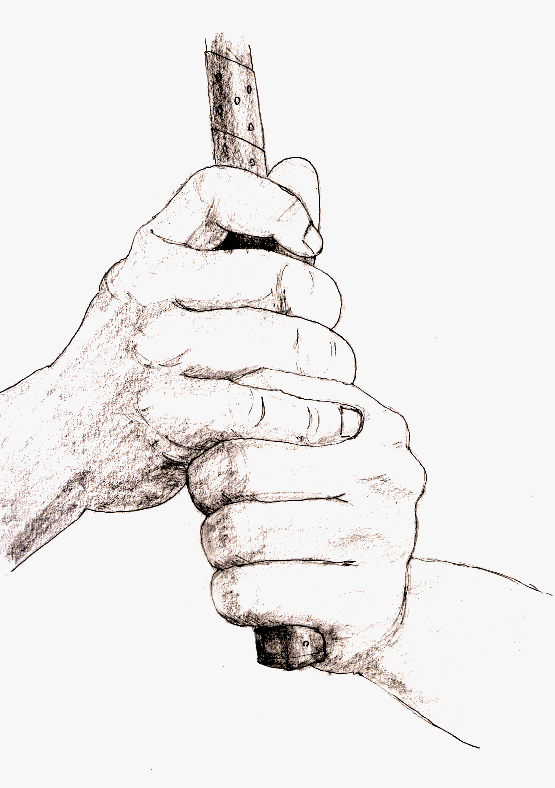
The Overlapping Grip: The right pinkie finger in the gap between the left index and middle finger on the left hand. This grip creates another way to keep your hands close together working as one unit. The majority of professional golfers use this grip. [Figure C] |
Think About It:
A Grip Routine:
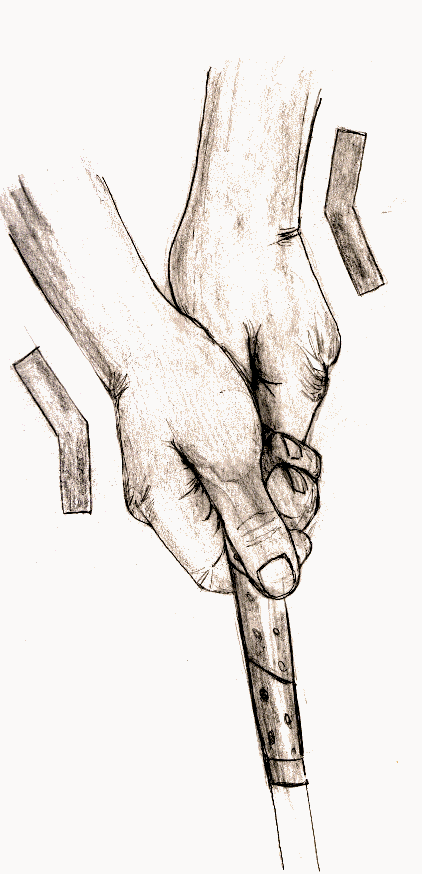
Now you are ready to put your hands on the club. Again, with any variation of grip, choose the one that fits you. Follow this step by step instructions.
|
[Figure
D] |
LEFT HAND:
|
You are now ready to choose from the three variations of grips mentioned earlier. The right hand should work as one unit with your left, so in deciding between the Ten Finger, Interlocking, and Overlapping, choose what you feel confident and comfortable with.
|
[Figure E]
|
RIGHT HAND:
|
The Grip (Making a Choice)
Check Points: [Figure E]
Tendencies:
Conclusion:
Consistency is the by-product of having a routine. Every golfer should prepare the same way before every swing (Routine). In the golf grip, the golfer should grip the club the same way each time in using a routine. When a golfer changes the rotational positioning of the hands, the resulting shot could be as far as thirty too forty yards off line. The basis of golf’s foundation is on consistency, which relates directly to a golfer repetition of the same grip every single swing. Without the proper grip, a golfer will never develop accurate and consistent shots. Learning a proper grip is the most important first step when learning the game of golf.